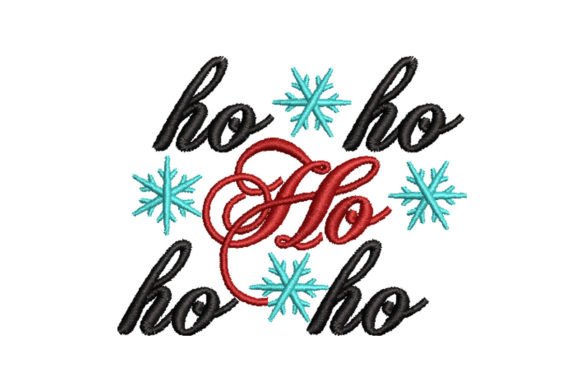
Christmas Ho Ho Ho Embroidery Review
A Boutique Designer’s First Impression
Opening Christmas Ho Ho Ho on Creative Fabrica, I immediately noticed its confident, cheerful rhythm — not overly fussy, but far from generic. It carries a warm, playful energy: bold enough for seasonal impact, yet balanced enough to feel intentional on high-end apparel. The lettering has gentle curves and subtle bounce, with just enough decorative flair in the “O”s to suggest craftsmanship without demanding heavy stitch density. It reads as playful, premium-casual — perfect for boutique brands that want holiday spirit without sacrificing brand cohesion. It doesn’t scream “craft fair”; it whispers “curated, thoughtful, handmade.” That tone matters when you’re building a small shop product line where every design reinforces your aesthetic.
How Christmas Ho Ho Ho Performs Across Apparel
For sweatshirt embroidery, this design shines on neutral heathers — oatmeal, charcoal, soft black. Its clean outline and moderate height (I estimate ~3–4 inches wide based on preview) make it ideal for chest placement on standard and oversized hoodies. On pastel hoodies — think mint or blush — it pops with joyful contrast, especially when stitched in crisp white or cream thread. On dark garments, I’d recommend matte cotton thread over shiny polyester to avoid glare; the design’s openness handles low-light fabric well, provided stabilizer support is solid.
As a hoodie design, it works beautifully centered on the chest, but don’t overlook sleeve accents — scaled down to 65%, it adds subtle charm near the cuff. For back designs, pair it with a simple pine branch or snowflake motif (from the same Creative Fabrica collection, if available) to create visual hierarchy without overcrowding. On t-shirts, use lightweight cutaway stabilizer and test tension first — the letterforms are generous enough to hold shape even on lighter knits, but avoid ultra-thin jersey unless hooping is precise.
Christmas Ho Ho Ho also translates well to lifestyle products: denim jackets (especially on the left chest or back yoke), canvas tote bags (where its friendly scale reads clearly at arm’s length), and cozy seasonal loungewear sets. In printable mockups and Etsy listings, it photographs cleanly — no fuzzy edges or pixelation in the preview file — which boosts perceived quality before buyers even click “add to cart.” That visual consistency directly supports buyer trust and product recognition for small shop owners.
Where to Use It — and Where to Pause
This machine embroidery design excels on stable, medium-weight fabrics: fleece-backed sweatshirts, midweight cotton hoodies, and structured totes. But proceed thoughtfully on stretchy fabric — ribbed cuffs or curved hems require careful hooping and possibly basting stitches to prevent distortion. Avoid placing it across major seams or over thick pocket flaps unless you’ve tested stitch density on scrap fabric first. Tiny lettering isn’t an issue here — the “Ho Ho Ho” is generously spaced and legible even at smaller sizes — but dense fill areas (like interior O shapes) may need extra stabilizer on plush fleece.
On curved surfaces — say, the rounded shoulder of a raglan sleeve — consider rotating the design slightly to follow the grain, or opt for a simplified version if stitch count feels excessive. Always confirm hoop size compatibility before digitizing for production; some versions may require a 5x7 or larger hoop depending on final scale.
Design Impact Beyond Stitching
When used intentionally, Christmas Ho Ho Ho elevates more than just fabric — it strengthens brand identity. For Etsy sellers and custom apparel shops, consistent use of recognizable, well-executed embroidery builds visual continuity across collections. Customers begin to associate that joyful, confident lettering with your shop’s voice — especially when paired with cohesive thread colors and garment choices. It signals professionalism: a deliberate choice, not a last-minute holiday add-on.
That perception affects customer engagement. A cleanly embroidered Christmas Ho Ho Ho on a minimalist hoodie invites double-takes on Instagram feeds and encourages tags. It performs well in lifestyle product photos — styled with knit blankets, ceramic mugs, and natural light — because it reads as both festive and grounded. For commercial embroidery shops, it’s a reliable repeatable design: fast to hoop, forgiving on tension variance, and versatile enough to satisfy multiple client briefs without revision fatigue.
Practical Notes Every Embroidery Designer Should Check
- Test on scrap fabric — especially if using new thread colors or stabilizer combos.
- Review thread color contrast — light thread on dark fabric looks sharp, but avoid neon-bright threads unless it matches your boutique brand’s palette.
- Confirm hoop size and stitch density — check Creative Fabrica product details before scaling beyond recommended dimensions.
- Inspect stabilizer choice — medium-weight cutaway works best for sweatshirt embroidery; tear-away may shift on fleece.
- Compare placement options — chest, sleeve, back — and photograph each on a mockup to assess visual weight.
- Test on similar garment fabric — a $5 thrifted hoodie is worth more than assumptions about drape and recovery.
- Verify licensing terms — Creative Fabrica embroidery files vary in commercial use rights; always confirm before selling finished product.
Final Thoughts for Small Creative Businesses
Christmas Ho Ho Ho isn’t just another holiday embroidery file — it’s a quietly strategic tool for boutique brands. It balances seasonal relevance with timeless execution, supports cohesive storytelling across apparel and lifestyle products, and scales gracefully from social media graphics to physical merchandise. For Etsy sellers and handmade product creators, it’s the kind of design that helps customers remember *you*, not just the season. Used with intention — tested thoroughly, placed thoughtfully, and aligned with your thread palette and garment choices — it becomes part of your shop’s visual language. And in a crowded digital marketplace, that kind of consistency? That’s what turns casual browsers into loyal buyers.