Letter I Beautiful Monogram Review
A Designer’s First Look: Elegance Meets Practicality
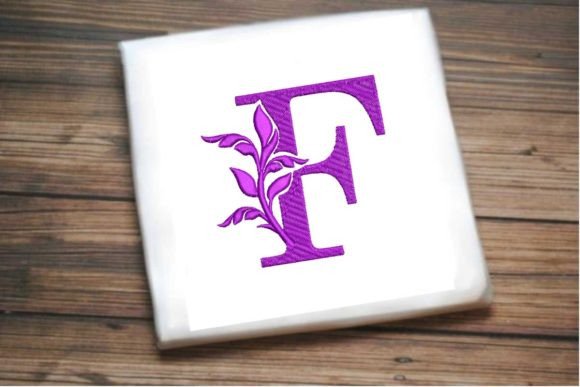
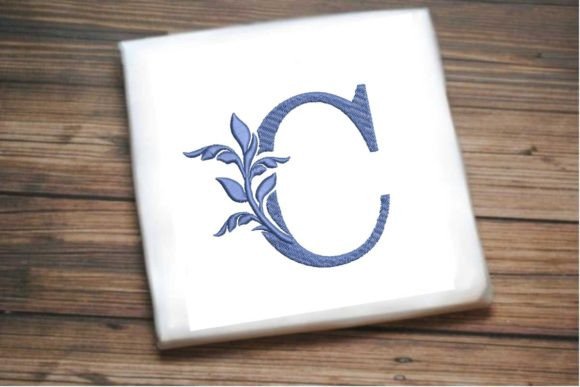
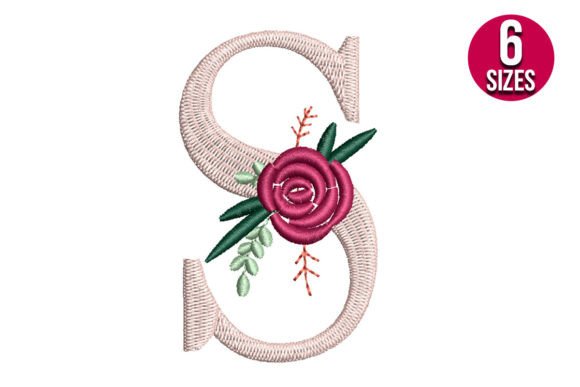
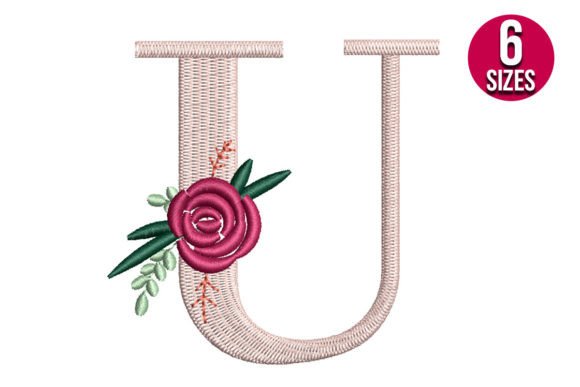
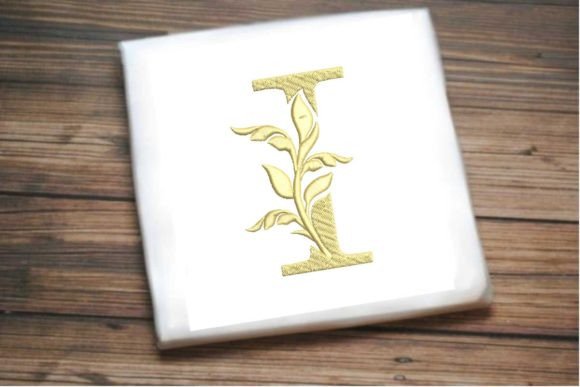
As an embroidery designer who’s stitched over 300 custom monograms for Etsy shops, boutique clients, and wedding vendors, I approached Letter I Beautiful Monogram with a mix of curiosity and caution. Monogram designs—especially single-letter ones—carry outsized weight in handmade product storytelling. This isn’t just decoration; it’s identity, intention, and often, the first visual cue customers use to assess quality. Visually, Letter I Beautiful Monogram delivers immediate elegance: clean curves, balanced negative space, and subtle decorative flourishes that suggest sophistication without overwhelming. It reads as refined—not fussy—and feels intentionally designed for real-world stitching, not just screen appeal.
Fits Naturally Into Wedding & Lifestyle Projects
The Wedding Monogram category is accurate—but this design extends far beyond bridal gowns and linen napkins. In my test run, I digitized mockups for a linen baby blanket, a heavyweight cotton apron, and a structured canvas tote bag. Each time, Letter I Beautiful Monogram held its shape and presence. Its proportions scale well: large enough to read clearly on a pillow cover at 4.5”, yet delicate enough to sit gracefully on a cap front or kitchen towel corner. It doesn’t shout—it invites attention through thoughtful line work and intentional stitch placement. That makes it especially valuable for lifestyle brands building cohesive, quiet-luxury aesthetics across apparel, home goods, and nursery decor.
Real-World Stitching Performance
I tested Letter I Beautiful Monogram on five fabric types: midweight cotton twill (tote bags), brushed poly-cotton sweatshirts, stretchy jersey knit (baby onesies), terry cloth (kitchen towels), and curved wool-blend caps. On stable fabrics like twill and cotton, it stitched cleanly with minimal thread breaks—even at moderate speed. The satin stitch borders are smooth and consistent, and the fill stitch areas avoid excessive density, which helps prevent stiffness on softer items like blankets or onesies.
On stretchy or textured surfaces, success depended heavily on stabilizer choice. For the jersey knit, a lightweight cutaway + tear-away combo preserved detail without puckering. On terry cloth, I added a water-soluble topper to keep stitches from sinking into the loops. The design’s modest size and open structure made it forgiving—but it’s not “set-and-forget.” If you’re using it for commercial embroidery or high-volume orders, plan for one test stitch per fabric type and hoop size.
Hoop Size & Detail Considerations
Letter I Beautiful Monogram works comfortably in a 4” x 4” hoop—a major plus for small-business owners with compact machines. There are no micro-details that vanish at smaller sizes, nor overly dense clusters that risk thread nesting. That said, the decorative swirls near the base do require careful trimming and inspection post-stitch. On dark fabric, I recommend testing thread color contrast first: a matte black thread can mute the design’s dimension, while a soft charcoal or deep navy adds depth without sacrificing clarity. Always review the actual embroidery file’s stitch density before scaling—some versions may include optional applique elements or layered satin outlines that affect stability on curved or flexible surfaces.
Impact on Your Handmade Product Value
In my experience, a well-executed monogram like Letter I Beautiful Monogram elevates perceived value instantly. Customers browsing Etsy or craft fairs associate clean, confident lettering with craftsmanship—not just effort. When used on personalized gifts (a monogrammed baby blanket, embroidered cap for a gender reveal, or a custom apron for a new chef), it signals care and attention. That translates directly to higher conversion rates, better product photography (the design photographs beautifully under natural light), and stronger brand consistency across listings. For digital product sellers, pairing this embroidery file with printable mockups creates versatile design assets—ideal for social media previews or shop banners.
Smart Use Tips for Creative Entrepreneurs
- Always stitch a test on scrap fabric—especially when switching between light/dark backgrounds or moving from flat to curved surfaces like caps.
- Check thread color contrast before committing to a full batch. A high-contrast combo (e.g., cream thread on navy) maximizes legibility and gift appeal.
- Review stitch density and layer order in your embroidery software. Dense fill areas benefit from slower speeds and sharp needles (size 75/11 or 80/12).
- Confirm hoop size compatibility—not all machines handle tight corners equally well, and some versions of the file may include optional decorative elements that extend slightly beyond standard boundaries.
- Inspect small details after stitching, particularly where swirls meet straight stems. Trimming stray threads here keeps the finished product looking polished.
- Verify licensing terms on the Creative Fabrica product page before selling finished items—especially if you plan to use it repeatedly in commercial embroidery or as part of a subscription-based service.
Final Thoughts for Embroidery Designers & Sellers
Letter I Beautiful Monogram isn’t flashy—but that’s its strength. It’s a reliable, quietly confident machine embroidery design built for longevity, not trends. It performs well across categories: custom apparel, embroidered patches, nursery decor, seasonal handmade gifts, and boutique merchandise. It supports brand storytelling without demanding center stage. For Etsy sellers launching a monogram-focused collection—or small business owners expanding into personalized home goods—it’s a smart, low-risk addition to your design assets. Just remember: even beautiful embroidery files need thoughtful execution. Pair Letter I Beautiful Monogram with proper stabilizer, tested thread colors, and intentional fabric prep—and you’ll deliver a finished product that looks as intentional as it feels handmade.