Love Valentine’s
A Designer’s First Look: Charm, Clarity, and Customer Connection
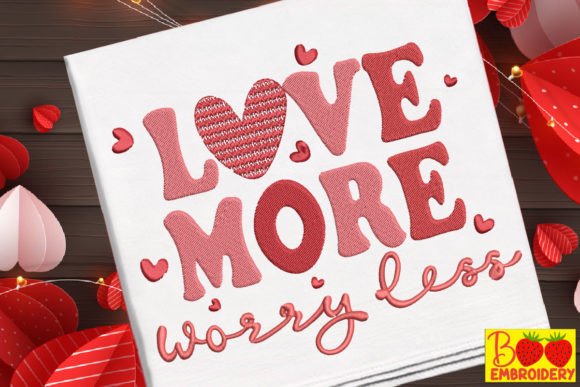
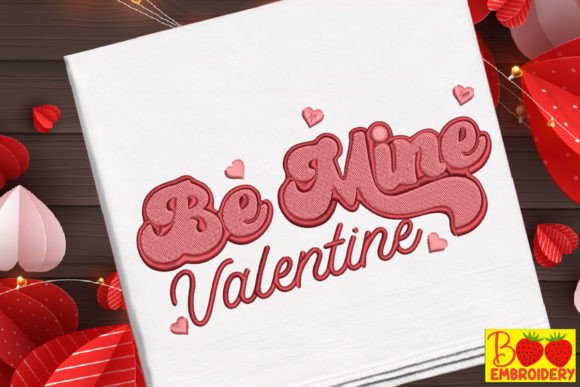
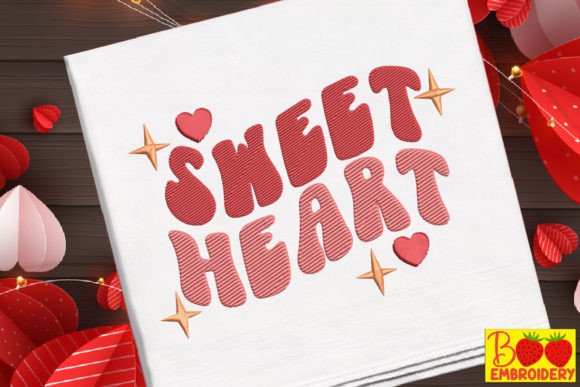
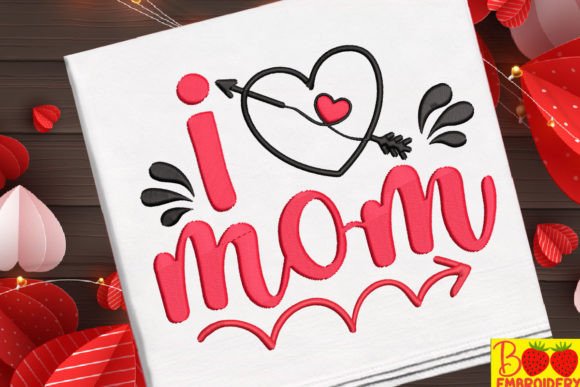
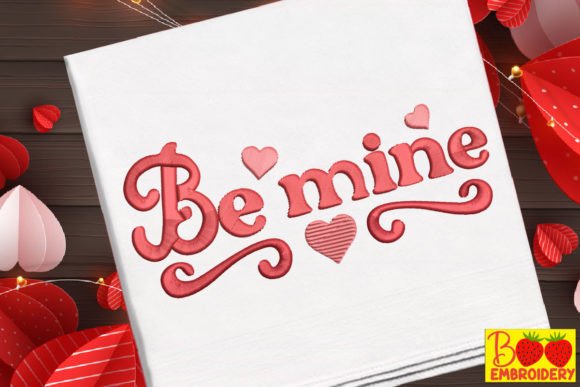
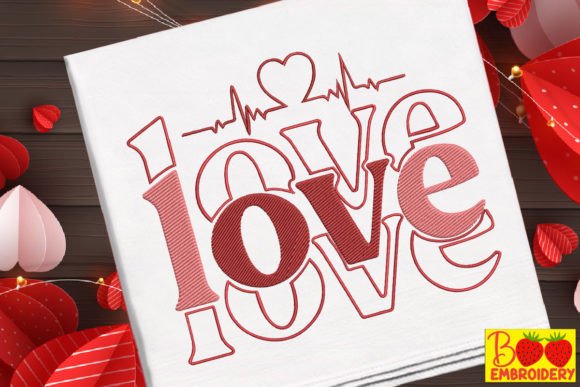
As an embroidery designer who’s developed over 300+ digital embroidery files for small shops and Etsy sellers, I opened Love Valentine’s expecting sweetness—but what stood out immediately was its quiet confidence. It’s not overly fussy or cutesy; instead, it balances romantic softness with clean line work and thoughtful spacing. The mood is warm, timeless, and gently sentimental—ideal for customers seeking heartfelt rather than flashy. Whether stitched on a baby blanket or a linen pillow cover, Love Valentine’s feels handmade, intentional, and emotionally grounded—not just seasonal, but keepsake-worthy.
Where This Design Truly Shines: Real-World Personalized Gift Uses
Love Valentine’s excels where emotional resonance meets practical versatility. For baby embroidery, it adds tenderness to organic cotton swaddles or muslin burp cloths—especially when paired with neutral thread colors like heather rose or oatmeal. As a wedding gift, it elevates minimalist napkins, satin ribbon bookmarks, or even the inside hem of a bridal robe. Small shop owners love how it transforms ordinary items into meaningful heirlooms: a kitchen towel becomes a “first home” gift; a canvas tote reads like a quiet love letter; a pillow cover in a nursery whispers comfort without clutter.
Etsy sellers will appreciate how Love Valentine’s photographs beautifully—its balanced proportions and subtle curves translate well across product mockups. On light fabric, the stitch definition pops cleanly; on textured linen or canvas, the design holds its shape without losing charm. And because it avoids ultra-thin lines or micro-details, it scales reliably from 3-inch hoop sizes (for tags or sachets) up to 6-inch placements (on blankets or tote fronts).
Thoughtful Application: Knowing When—and Where—to Stitch
While Love Valentine’s is broadly adaptable, a few mindful choices ensure your finished product reflects quality craftsmanship. Avoid placing it on highly stretchy baby onesies unless you use cutaway stabilizer and reduce stitch density slightly—the gentle curves need support to hold true. On thick terry cloth towels, test first: dense fill areas may sink or blur if the fabric’s pile is too high. Likewise, curved surfaces like mugs or hats require careful hooping and possibly repositioning—Love Valentine’s works best on flat or gently contoured substrates.
Dark fabrics demand attention to thread color contrast. Since the design relies on legibility and soft contouring (not bold outlines), opt for matte-finish threads in cream, blush, or charcoal—not shiny metallics that distract from its sincerity. And always confirm your embroidery file includes clean underlay stitching: this helps prevent puckering on lightweight cotton or silk-blend pillow covers.
Why Customers Trust What They Can Feel—and See
Gift buyers don’t just purchase a machine embroidery design—they buy intention. Love Valentine’s signals care through its restraint: no excessive flourishes, no forced whimsy. That translates directly to perceived value. A customer ordering a personalized embroidered towel isn’t buying laundry—they’re investing in a ritual, a memory, a shared language of affection. That emotional connection boosts buyer engagement, repeat orders, and organic word-of-mouth. For handmade product sellers, it reinforces authenticity. For wedding gift designers, it offers elegance without formality. For baby product creators, it delivers warmth without cliché.
Practical Embroidery Notes Every Maker Should Run Before Production
Before stitching your first customer order, treat Love Valentine’s like any new digital embroidery file—test, observe, refine:
- Test on scrap fabric that matches your final substrate—same weight, weave, and stretch.
- Check thread color contrast in natural light *and* on camera: what reads softly in person may vanish in product photos.
- Confirm hoop size compatibility—some versions may include multiple sizes; choose the one that fits your most common product (e.g., 4x4" for towels, 5x7" for blanket corners).
- Review stitch density: if it feels heavy on delicate fabric, consider reducing density by 5–8% in your embroidery software.
- Use proper stabilizer: tear-away for stable cottons, cutaway for knits or stretchy blends, and water-soluble topper for textured surfaces like terry or burlap.
- Compare light and dark fabric mockups—a printable mockup saves time and reveals how thread tone shifts across backgrounds.
- Inspect small details post-stitch: check for stray jumps, floating stitches, or unsecured thread tails—especially near curve endpoints.
- Verify commercial licensing before listing on Etsy or fulfilling wholesale orders. Not all Valentine S Day embroidery files permit resale of finished products.
Final Thoughts: More Than a Holiday Design—It’s a Story Starter
Love Valentine’s doesn’t shout—it invites. That makes it unusually effective for personalized gift businesses where differentiation comes from emotional intelligence, not volume. It works as quietly on a custom apron for a baker’s anniversary as it does on a quilt square commemorating a child’s first Valentine’s Day. Its strength lies in flexibility without compromise: classic enough for grandparents, fresh enough for Gen Z couples, tender enough for new parents.
For craft fair vendors, it’s a conversation starter. For digital product sellers, it pairs beautifully with editable templates (think: “Love Valentine’s + Your Name” pillow mockups). And for anyone building a brand around meaningful making—this embroidery file isn’t just another download. It’s a trusted collaborator in the quiet, powerful work of turning fabric into feeling.