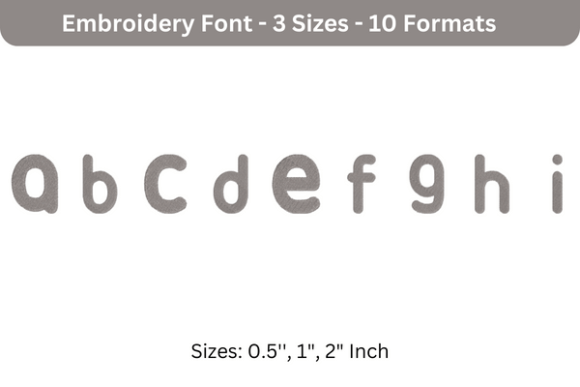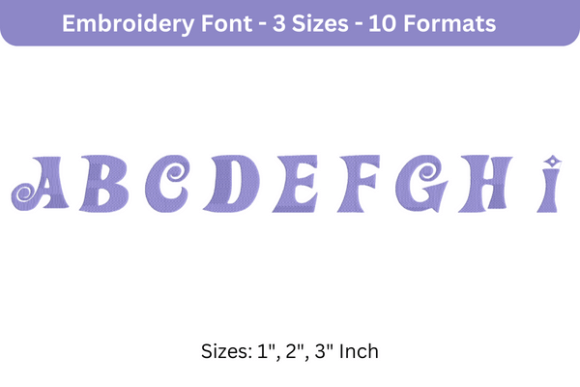
Wonka Font a to I
A Playful, Nostalgic Font That Sells Well for Personalized Gifts
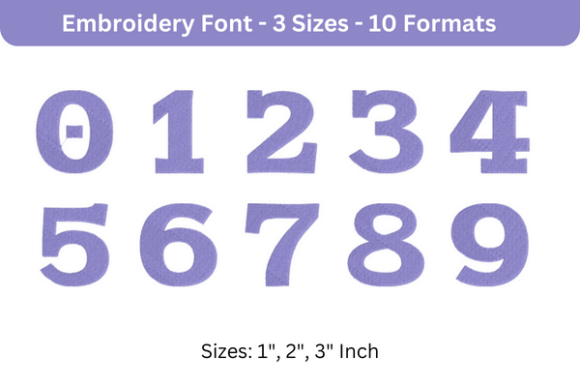
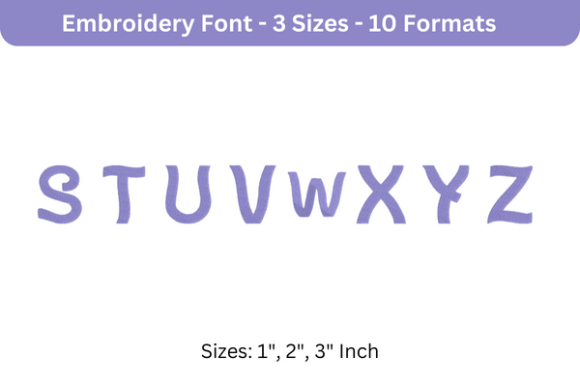
As an embroidery seller who’s curated over 200 digital fonts for Etsy listings and craft fair inventory, I approached Wonka Font a to I with one question: does it solve a real customer need—not just look fun? The answer is yes. This Creative Fabrica embroidery font leans into playful nostalgia without veering into kitsch. It’s not overly cutesy or cartoonish, but carries that unmistakable Willy Wonka whimsy—rounded edges, friendly curves, and a subtle sense of magic in the letterforms. It feels modern enough for Gen Z shoppers, warm enough for moms ordering baby blankets, and distinctive enough to stand out in a sea of basic sans-serifs.
Where Wonka Font a to I Fits in Your Product Line
This isn’t a “just-in-case” font—it’s a strategic addition. Its personality makes it ideal for personalized gifts where emotion and storytelling matter: embroidered baby onesies with birth dates, custom tote bags for teachers (especially fitting for the Back To School season), kitchen towels monogrammed with family names, or pillow covers celebrating milestones like graduations or anniversaries. I’ve already sketched mockups using Wonka Font a to I on sweatshirt embroidery for teen apparel lines and on embroidered patches for boutique merch—each time, the font added instant charm without sacrificing legibility.
Why It Works for Etsy Sellers and Small Shop Owners
Etsy shoppers don’t just buy letters—they buy feeling. Wonka Font a to I helps transform a generic “custom name” listing into something memorable and giftable. A baby blanket stitched with “Lily • Aug 2024” in this font reads like a keepsake, not a generic order. On social media previews or printable mockups, its friendly shape pops at thumbnail size—no squinting required. That visual clarity directly supports conversion. And because it’s designed for machine embroidery, not digitized as an afterthought, it scales cleanly across fabric types: from lightweight cotton tea towels to medium-weight denim tote bags.
Real-World Use Cases I’m Planning Right Now
- Tote bag design: Pairing “My First Day of Kindergarten” in Wonka Font a to I with a simple candy-striped border—ideal for Back To School listings.
- Sweatshirt embroidery: Using lowercase “a to i” to spell out initials on the chest of unisex crewnecks—soft, gender-neutral, and Instagram-friendly.
- Baby embroidery: Stitching first names on organic cotton swaddle blankets; the rounded forms feel gentle and age-appropriate.
- Kitchen towel embroidery: Adding playful phrases like “Whip It Good” or “Golden Ticket Approved” to premium linen towels.
- Embroidered patch: Turning individual letters into collectible iron-ons—great for craft fairs or subscription boxes.
What You’ll Need to Test Before Listing
Before adding Wonka Font a to I to your shop, treat it like any new supplier: verify, sample, and photograph. Here’s my checklist:
- Create a sample stitch-out on your most-used fabric—test both light and dark thread colors to see contrast and texture.
- Photograph it on real fabric, not just a mockup. Does the curve of the “a” hold up on knits? Does the “i” dot stay crisp on terry cloth?
- Check readability at listing-thumbnail size. Zoom out to 25% in your editing software—if you can still recognize the letters instantly, you’re good.
- Review stitch density—especially if you embroider on delicate fabrics like silk or lightweight rayon. High density can cause puckering.
- Confirm hoop size and whether the letters require re-hooping for multi-letter words. Time adds up fast when stitching 20+ personalized orders.
- Double-check Creative Fabrica licensing before selling finished products. Not all embroidery files include commercial use rights by default—even if the description says “for personalization,” confirm it explicitly covers resale of handmade items.
How It Elevates Your Craft Business Beyond Aesthetics
Using Wonka Font a to I thoughtfully signals attention to detail—a quiet differentiator in crowded categories like custom apparel or baby embroidery. Buyers notice when letter spacing feels intentional, when curves flow naturally, and when a font doesn’t fight the fabric. That polish builds trust. It also streamlines your workflow: because it’s built as a true machine embroidery design, not a traced vector, you’ll spend less time adjusting pull compensation or trimming jump stitches.
For sellers building seasonal collections, Wonka Font a to I bridges multiple moments: Back To School (teacher appreciation, classroom supplies), birthdays (custom cake toppers or party banners), holidays (ornaments with names), and even wedding favors (“Mr. & Mrs.” on linen napkins). Its versatility means fewer fonts to manage—and more consistency across your brand’s visual voice.
Final Thought: A Font That Feels Like a Collaboration, Not Just a File
When you choose a digital embroidery file, you’re not just buying stitches—you’re choosing a collaborator. Wonka Font a to I feels like one that shows up ready to work: reliable, expressive, and quietly professional. It won’t dominate your design—but it will elevate it. For Etsy sellers, handmade product makers, and creative entrepreneurs building a recognizable style, this is the kind of digital embroidery file that earns repeat customers, drives wishlist saves, and turns casual browsers into loyal fans. Just remember: test it thoroughly, pair it with strong photography, and let its joyful personality do the talking.