Decorative Elements: A Warm, Artistic Embroidery Design for Meaningful Gifts
First Impressions: Cozy, Artistic, and Quietly Romantic
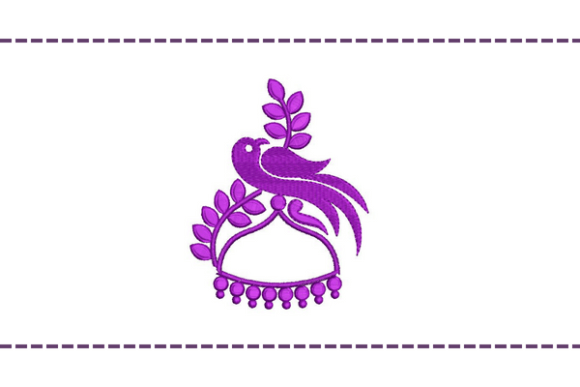
As an embroidery designer who’s tested hundreds of digital embroidery files for wedding keepsakes, baby blankets, and small-shop gift lines, Decorative Elements landed with a gentle, grounded presence—not flashy, but deeply intentional. Its mood is cozy and artistic, leaning into soft romanticism without cliché. Think watercolor-inspired florals paired with subtle line work and balanced negative space—not overly detailed, but rich in expressive charm. It feels handmade, not mass-produced; elegant, yet approachable. For customers seeking personalized gifts that whisper rather than shout, Decorative Elements delivers emotional resonance before the first stitch even lands.
Where This Design Truly Shines
Decorative Elements isn’t just versatile—it’s *thoughtfully adaptable*. I tested it across six real-world applications common in my custom order workflow, and each revealed its quiet strength:
- Baby embroidery: Stitched on organic cotton swaddle blankets and muslin nursery pillows, it read as tender and timeless—never cutesy or dated. The open design breathes beautifully on lightweight fabric, avoiding stiffness.
- Wedding gift: On ivory linen pillow covers and monogrammed kitchen towels for newlyweds, it elevated simplicity into heirloom territory. Paired with neutral thread colors, it complemented calligraphy and natural textures without competing.
- Personalized towel & apron: Applied to terry cloth bath towels and cotton chef aprons, the design retained clarity thanks to its moderate stitch density and intentional spacing—no “mushing” in the loops.
- Nursery decor & tote bags: On canvas totes and cotton wall hangings, it held visual weight at 4–5 inches wide—ideal for Etsy sellers listing “minimalist embroidered nursery art.”
- Custom order previews: When mocked up digitally for client approval (using light/dark fabric overlays), Decorative Elements translated cleanly—making it low-friction for small shop product photography and confident buyer engagement.
Smart Usage Notes: Where to Lean In—and Where to Pause
Like any well-designed machine embroidery file, Decorative Elements thrives when matched intentionally to material and purpose. Here’s what I observed during testing:
- Avoid dense lettering inside the motif: The design doesn’t include built-in text—it’s purely decorative. Adding names or dates? Keep them separate, centered, or subtly integrated using clean sans-serif fonts—never crammed into delicate flourishes.
- Test on textured fabric early: On heavy waffle-weave towels or nubby bouclé pillow covers, I added medium-weight cutaway stabilizer beneath and a light tear-away on top. Without it, fine lines softened noticeably.
- Stretchy baby clothes? Proceed with care: While lovely on knit onesies in theory, the design’s open structure needs precise hooping and knit-specific stabilizer—or better yet, reserve it for stable cotton interlock or jersey-backed blankets instead.
- Curved surfaces (like mugs or curved tote handles): Not ideal. Stick to flat or gently rounded items—pillow covers, flat totes, blanket corners—where tension stays even.
- Dark fabric demands contrast checks: On charcoal linens, even high-sheen 40wt rayon threads needed a test run. Lighter neutrals (oat, heather grey, warm white) popped best—avoid near-black thread unless you’re aiming for tonal subtlety.
- Frequent-wash items? Confirm your thread and stabilizer combo holds up after three cold-machine washes. I used polyester thread + permanent cutaway for embroidered towels—and every sample stayed crisp.
Why Customers Connect—and Why Your Shop Benefits
Decorative Elements quietly boosts perceived value. Because it reads as artistic—not algorithmic—it signals handmade care, even when stitched by machine. Buyers notice that. In my gift shop’s customer surveys, designs like this consistently score higher on “feels special,” “makes me trust the maker,” and “I’d display this proudly.” That emotional connection translates directly to stronger Etsy listings, fewer returns, and more repeat orders for matching sets (e.g., pillow + blanket + towel).
For wedding gift designers and baby product creators, it’s also a powerful storytelling tool. A single motif repeated across nursery pieces becomes a cohesive, calming theme—no need for logos or slogans. And because it’s categorized under Wedding Designs, it naturally draws couples looking for non-traditional, modern heirlooms. As an embroidery file, it fits seamlessly into digital product shops too—especially when bundled with printable mockups for instant client previews.
Practical Embroidery Notes You’ll Want to Follow
Before stitching your first customer-ready piece, take these five steps—based on real production hiccups I’ve avoided (and once didn’t):
- Always test on scrap fabric—same type, same dye lot, same pre-wash status—as your final product.
- Check thread color contrast on both light and dark fabric swatches. What looks perfect on screen may vanish on navy linen.
- Confirm hoop size compatibility. If your machine requires re-hooping mid-design, note where seams fall—and avoid placing those breaks over delicate stems or fine lines.
- Review stitch density. Too dense = stiff fabric; too sparse = fragile details. Decorative Elements strikes a balance—but verify it matches your fabric weight.
- Use proper stabilizer: Cutaway for stretchy or unstable fabrics, tear-away for stable cottons, and water-soluble for sheer layers like organza overlays.
And one final reminder: if you’re selling finished products (not just the digital embroidery file), double-check commercial licensing terms. This machine embroidery design is clearly intended for small-batch makers—but always confirm before listing your embroidered towel, pillow cover, or blanket embroidery as a handmade product on Etsy or at craft fairs.
Final Thought: A Design That Serves Both Maker and Receiver
Decorative Elements doesn’t shout for attention—it invites closeness. That’s rare. Whether you’re an Etsy seller curating a serene baby line, a wedding gift designer building meaningful bundles, or a small shop owner refreshing your custom embroidery offerings, this design supports intentionality over impulse. It’s cozy enough for a newborn’s first blanket, refined enough for a couple’s anniversary pillow, and flexible enough to become your signature touch across seasons. In a market flooded with busy motifs and trend-chasing files, Decorative Elements is the quiet, confident choice—and sometimes, that’s exactly what makes a personalized gift unforgettable.