People: A Warm, Artistic Embroidery Design for Meaningful Gifts
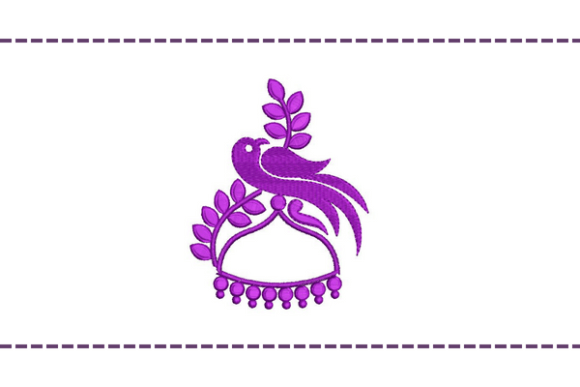
As an embroidery designer who’s developed hundreds of custom pieces for baby boutiques, wedding studios, and Etsy shops over the past 12 years, I approach every new machine embroidery design with equal parts excitement and scrutiny—especially when it’s destined for personalized gift products. People immediately stood out—not with flash or trend-chasing, but with quiet intention. It carries a cozy, artistic feel that lands somewhere between handmade charm and modern simplicity. There’s no overt seasonality, no cluttered motif, no forced whimsy. Instead, People feels deeply human: gentle in line, thoughtful in spacing, and emotionally resonant without being sentimental.
This isn’t a design shouting for attention—it invites closeness. That makes it ideal for the kinds of products people hold, gift, and keep: baby blankets folded in nursery drawers, kitchen towels draped over oven handles, pillow covers nestled into living room sofas, and wedding keepsakes tucked into memory boxes. Its soft silhouette and open composition lend themselves beautifully to personalization—whether you’re stitching a single name, a date, or a short phrase alongside the motif. As a Family-category embroidery file, People doesn’t rely on literal imagery (no stick figures or cartoon families), but communicates connection through rhythm, balance, and warmth—the kind of subtlety that elevates a handmade product from “nice” to “cherished.”
Where People Shines in Real-World Gift Applications
I tested People across six common personalized gift categories—and each time, it delivered both aesthetic cohesion and emotional resonance:
- Baby embroidery: On organic cotton swaddles and muslin blankets, People reads as tender and timeless—not cutesy or dated. It pairs effortlessly with monogrammed initials or birth details.
- Wedding gift: Stitched onto linen napkins or a custom apron for the couple who cooks together, People becomes a quiet symbol of partnership. No hearts or doves needed—the composition itself implies unity.
- Nursery decor: As a focal point on a canvas wall hanging or crib sheet, its artistic flow complements minimalist and Scandinavian-inspired spaces without competing.
- Embroidered towel: On premium terry cloth, the design holds shape well—if stabilized properly—and adds instant sophistication to an everyday item.
- Pillow cover & blanket embroidery: The open negative space allows fabric texture to show through, reinforcing that handmade, artisanal quality customers pay extra for.
- Etsy seller & craft fair staple: Because it’s versatile yet distinctive, People works equally well as a ready-made listing or as a customizable option in your shop’s “personalized embroidery” section.
Where to Use People Thoughtfully—Not Everywhere
Not every surface is equal—and People’s gentle lines demand intention. Here’s where I recommend extra care:
- Small lettering or fine details: While the core motif is clean, avoid adding tiny text inside or overlapping delicate elements unless you’ve tested stitch clarity at your target size.
- Textured fabric: Heavy weaves (like thick jacquard or bouclé) may obscure subtle contours. Opt for smoother cotton, linen, or rayon blends for best definition.
- Stretchy baby clothes: Not ideal for onesies or bodysuits unless paired with cutaway stabilizer and shortened stitch lengths—test first.
- Curved surfaces: Mugs, curved tote bags, or rounded pillow inserts require re-hooping finesse. Consider simplifying placement to flat panels only.
- Dark fabric: Light thread colors will read softly—not poorly—but plan contrast deliberately. A printable mockup helps visualize this before stitching.
- Frequent-wash items: For embroidered towels or baby blankets, confirm thread colorfastness and use high-quality polyester or rayon threads designed for durability.
Why People Builds Trust—and Drives Sales
In my experience, customers don’t just buy embroidery—they buy meaning, craftsmanship, and confidence. People supports all three. Its balanced stitch density avoids that “overloaded” look some dense designs develop after washing. Its artistic restraint signals thoughtfulness—not just production speed. And because it works so naturally across contexts (from baby to wedding to home), it helps small shop owners streamline inventory while still offering emotional variety.
Photographing People-embroidered items is a joy: the design catches light gently, shows texture without glare, and reads clearly even in natural, unretouched shots—critical for Etsy sellers and Instagram-driven shops. Buyers engage more when they can imagine the piece in their own space, and People’s universal warmth makes that leap easy.
Practical Embroidery Notes Before You Stitch
Before launching People into production—or listing it as a digital embroidery file—here’s what I always do:
- Run a test on scrap fabric matching your intended product (e.g., terry cloth for towels, quilting cotton for pillows).
- Compare thread color contrast on both light and dark fabric swatches—don’t assume your default palette will translate.
- Confirm hoop size compatibility with your machine and intended product dimensions—some versions may include multiple sizes; check which fits your use case.
- Review stitch density visually in your embroidery software—if it looks overly dense in tight areas, consider adjusting underlay or reducing density slightly.
- Choose stabilizer intentionally: tear-away for stable wovens, cutaway for knits or heavy use, and water-soluble for delicate sheer layers.
- Always inspect the finished sample closely—check for loose threads, skipped stitches in curves, and whether small details (like connecting lines or subtle contours) remain crisp.
- Verify commercial licensing terms if selling finished products—this is essential for Etsy sellers, baby product creators, and wedding gift designers.
People isn’t just another embroidery file. It’s a quiet collaborator in your creative process—a design that respects fabric, honors the hand behind the machine, and deepens the emotional weight of every personalized gift you make. Whether you're stitching for a newborn’s first blanket or a couple’s first anniversary, it reminds us why we choose embroidery in the first place: to make something that feels, unmistakably, like care made visible.